
5 Common Home Safety Issues That Are Easy to Miss
March 16, 2026
Some of the most important safety concerns in a home are not always obvious during a normal walk-through. Small electrical, moisture, or ventilation issues can go unnoticed for a long time and may lead to bigger repair needs later. Knowing what to watch for can help homeowners protect both the house and the people living in it.
1. Missing GFCI Protection
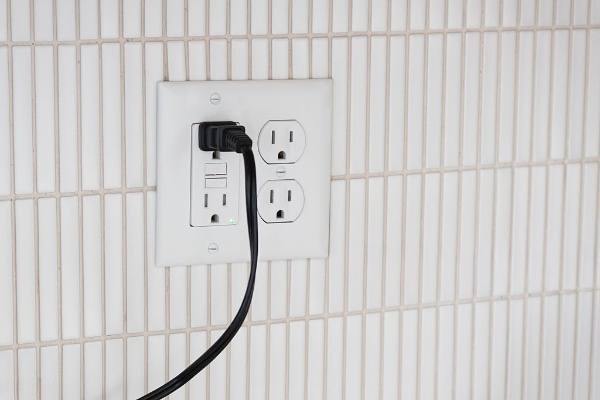
Ground-fault circuit interrupter (GFCI) outlets are designed to help reduce the risk of electrical shock in areas where moisture is present. These are commonly required in kitchens, bathrooms, garages, exterior locations, crawl spaces, and unfinished basements.
In many homes—especially older ones—GFCI protection may be missing, outdated, or improperly installed. This can leave occupants more vulnerable to shock if an electrical fault occurs near water.
Upgrading to properly installed and functioning GFCI protection is a relatively simple improvement that can enhance overall electrical safety. A licensed electrician can evaluate and update these areas as needed.
2. Unsafe Extension Cord Use

Extension cords are often used as a quick solution when additional outlets are needed, but they are not intended for permanent use. Over time, cords can become damaged, overloaded, or placed in ways that create tripping hazards.
Running cords under rugs, through doorways, or behind furniture can lead to overheating or wear that isn’t immediately visible. This can reduce performance and increase the likelihood of electrical issues.
If power is needed in a specific location on a regular basis, installing additional outlets is typically a safer and more reliable long-term solution. A qualified electrician can make these upgrades.
3. Poor Attic Ventilation

Proper attic ventilation helps regulate temperature and moisture levels inside the home. Without adequate airflow, heat can build up in warmer months and moisture can accumulate during colder seasons.
This combination can affect roofing materials, insulation performance, and overall energy efficiency. In some cases, signs like excessive heat, condensation, or uneven insulation conditions may be observed.
Improving attic ventilation may involve adding or correcting soffit vents, ridge vents, or other airflow pathways. A roofing contractor or qualified professional can help determine the best solution.
4. Dryer Vent Problems

Dryer vents are designed to safely carry moisture and lint from the appliance to the exterior of the home. Over time, lint can accumulate inside the duct, especially if the vent is long, has multiple turns, or is not regularly cleaned.
Restricted airflow can reduce dryer efficiency, increase drying times, and place additional strain on the appliance. It may also lead to excess moisture in the home if the vent is not properly connected or terminated.
Regular cleaning and ensuring the vent is properly installed and securely connected can help maintain performance. A qualified technician can service and correct any deficiencies.
5. Loose or Damaged Handrails

Handrails are an important safety feature on stairways, providing stability and support during use. If a handrail is loose, improperly secured, or missing where one is needed, it can make stairs more difficult to navigate safely.
Over time, normal use can cause fasteners to loosen or materials to wear. This may not always be obvious until the handrail is used for support.
Securing or replacing handrails is typically a straightforward repair that can improve overall safety. A handyman or contractor can address these issues and ensure proper installation.
Why These Issues Matter
Many home safety concerns develop gradually and may not stand out right away. A professional inspection helps identify these kinds of deficiencies so repairs and improvements can be planned before the problems become more costly or disruptive.
Final Thoughts
Safety-related defects are not always dramatic, but they can still affect how well a home performs. Paying attention to common issues like electrical protection, ventilation, drainage, and safe access can help homeowners maintain a safer and more efficient property.
